
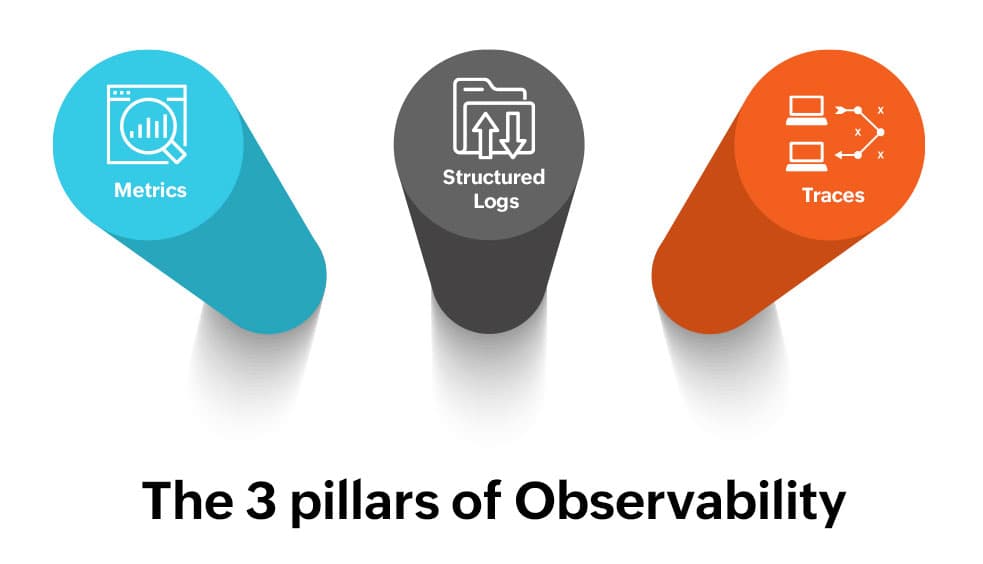
Modern software systems are more distributed and complex than ever, making traditional debugging techniques increasingly insufficient. Observability empowers software engineers to understand what's happening inside their applications through metrics, logs, traces, and other telemetry data—enabling faster troubleshooting, improved reliability, and better user experiences. This article explores the fundamentals of observability, how it differs from monitoring, and why it has become an essential skill for every modern software engineer.

Chapter 3 of The Phoenix Project introduces Brent—the overworked hero every company depends on. This chapter shows why bottlenecks and hero culture break teams.
Chapter 2 of The Phoenix Project shows what happens when you inherit a broken system: endless emails, unclear priorities, and pressure from all sides. Bill’s promotion to VP of IT Operations reveals a harsh truth—leadership doesn’t fix chaos; it exposes it. This chapter highlights why managing work flow, not just doing work, is critical for survival.

Chapter 1 of The Phoenix Project throws us straight into the chaos of IT operations—where outages are routine, blame is inevitable, and the business is already falling behind. Through Bill Palmer’s stressful morning, we see a familiar reality: IT isn’t broken because of technology, but because of how organizations manage it. This opening chapter sets the stage for why DevOps isn’t optional—it’s survival.