
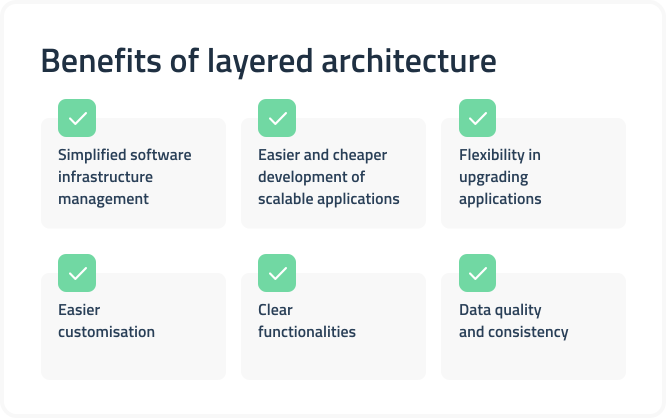
Layering is a fundamental technique in enterprise application architecture that simplifies complexity and enhances maintainability. This blog post explores its evolution, benefits, and challenges based on Martin Fowler's work.
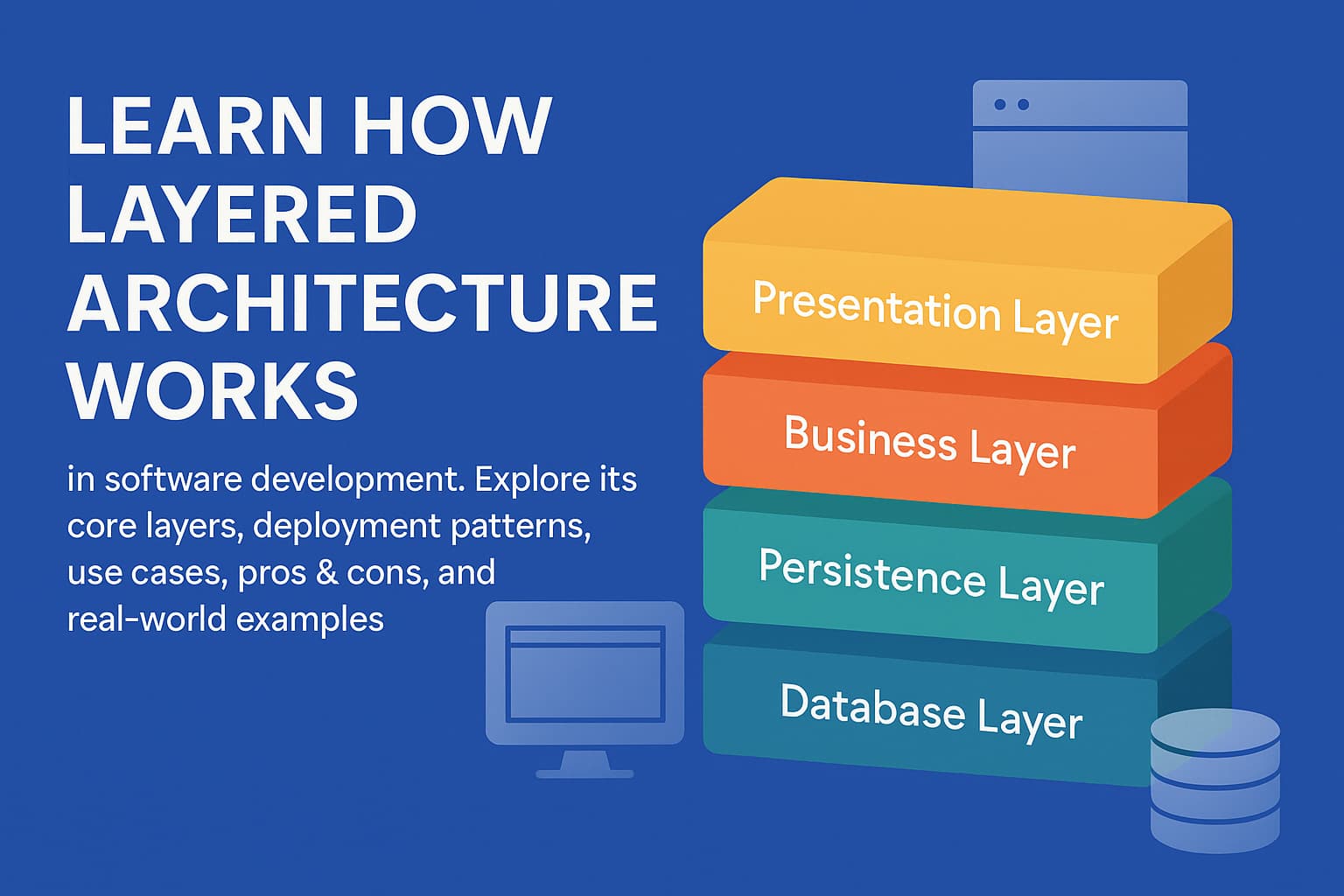
Layering is a crucial technique in enterprise application architecture that helps manage complexity. This post delves into its benefits, challenges, and evolution over time.
If I design things well enough, my system will behave predictably.
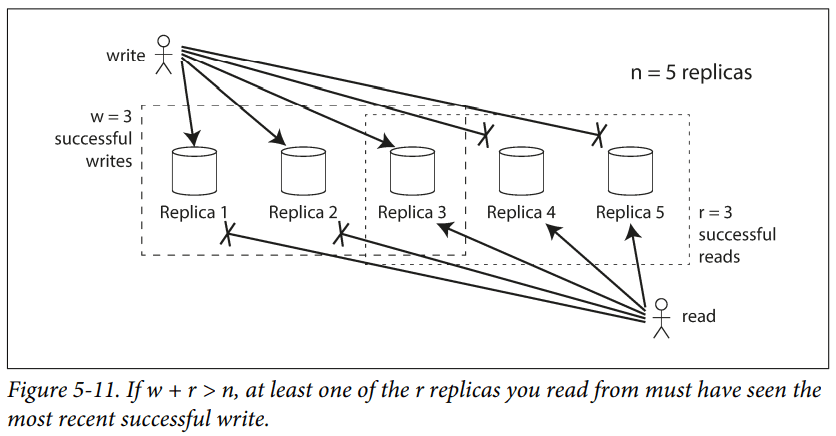
You don’t scale by upgrading your server forever. You scale by splitting your data across machines.
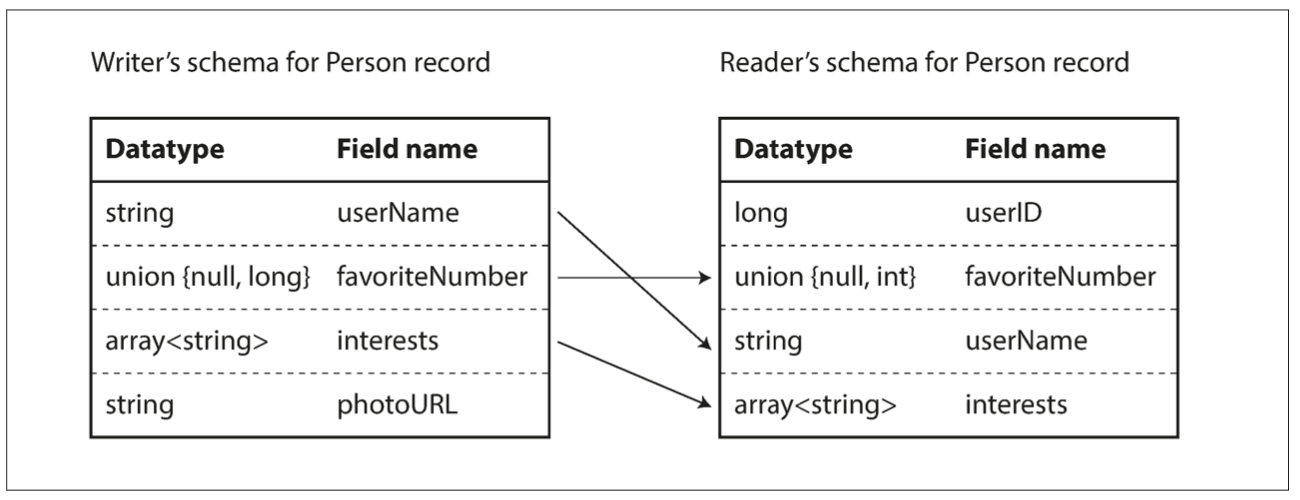
Your system doesn’t break when you deploy it. It breaks when old data meets new code. That’s the uncomfortable reality of software: data outlives everything. You can rewrite your frontend. You can refactor your backend. You can even replace your database. But your data? It sticks around quietly waiting to expose every bad decision you made six months ago.
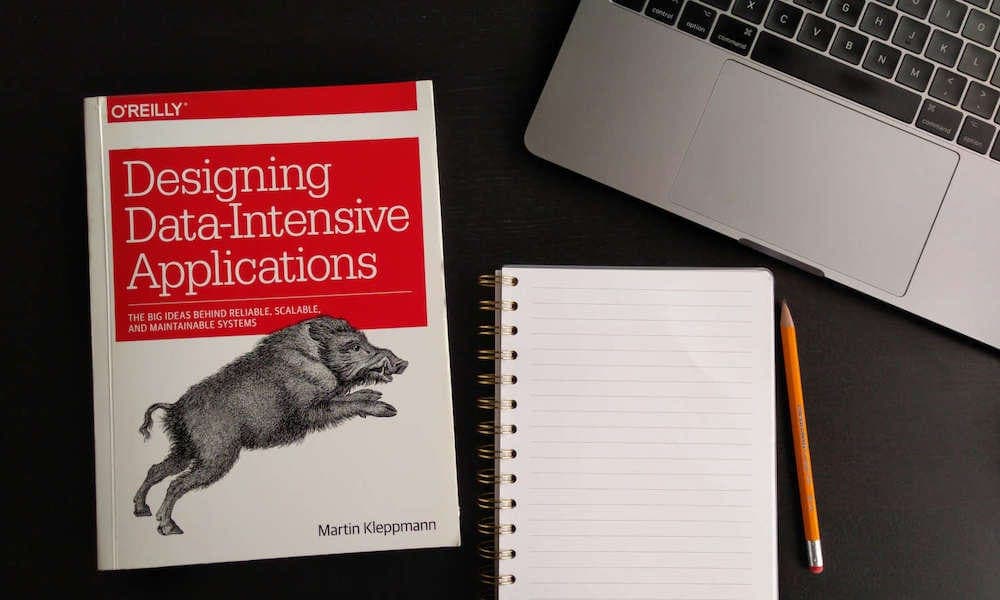
Your beautiful data model eventually turns into… bytes on disk.
“The Internet was done so well that most people think of it as a natural resource… rather than something that was man-made.” — Alan Kay