
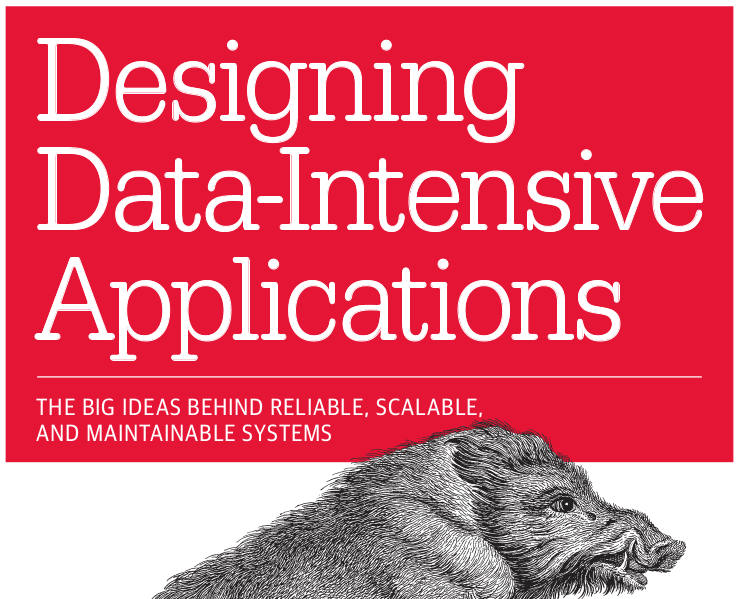
Designing Data-Intensive Applications Chapter 1 (Simplified for Builders)
“The Internet was done so well that most people think of it as a natural resource… rather than something that was man-made.” — Alan Kay
Most apps today don’t fail because of CPU limits.
They fail because of bad data system design.
We’re dealing with:
massive data
real-time updates
unpredictable traffic
And yet, many systems are still built like it’s 2010.
Here’s the foundation every engineer should understand 👇
🧠 What is a Data-Intensive Application?
Modern apps are built from components like:
databases
caches
search indexes
queues / streams
batch processors
Individually simple.
Together? A distributed system waiting to break.
At that point, you’re not just building an app anymore —
you’re designing a data system.
⚖️ The 3 Things That Actually Matter
Every solid system balances:
1. Reliability
Can your system survive failure?
2. Scalability
Can it handle growth without slowing down?
3. Maintainability
Can humans still understand and evolve it?
Ignore any one of these and things will fall apart.
🛡 Reliability: Expect Failure
Reality check:
disks fail
networks drop
code has bugs
humans mess up configs
You can’t prevent all failures.
👉 You design systems where failures don’t take everything down.
Key mindset:
Don’t aim for perfection. Aim for resilience.
📈 Scalability: Success Is a Problem
Your app works great… until it doesn’t.
Growth introduces:
traffic spikes
data explosion
uneven workloads
Example:
Reads >> Writes? Optimize reads.
Writes >> Reads? Optimize writes.
There’s no “scalable architecture” template.
👉 It always depends on your load patterns.
Also:
Stop using averages.
Start using percentiles (p95, p99) — that’s what users actually feel.
🧩 Maintainability: The Hidden Cost
Most engineering time is NOT building new features.
It’s:
fixing bugs
debugging incidents
understanding old code
adapting to new requirements
Good systems focus on:
✔ Operability
Easy to monitor, deploy, and debug
✔ Simplicity
Less complexity = fewer bugs
✔ Evolvability
Easy to change without breaking everything
💡 The Real Takeaway
You’re not just writing code.
You’re building a system that must:
survive failure
scale with growth
evolve over time
Miss one, and the system eventually collapses.
If you’re building apps today (especially SaaS, fintech, or anything real-time),
this mindset shift is non-negotiable.
📚 Highly recommend reading Designing Data-Intensive Applications if you haven’t yet.
#SoftwareEngineering #SystemDesign #Scalability #Backend #Architecture #DevLife
Stay in the loop
Get notified when new posts are published. No spam, unsubscribe anytime.
No spam · Unsubscribe anytime