
The Vercel breach isn’t just “another security incident.” It’s a reminder that modern dev workflows are fragile, trust-based systems. Here’s what really matters—and what you should fix today.
You don’t scale by upgrading your server forever. You scale by splitting your data across machines.

Distributed systems don’t fail loudly. They fail silently—with bad data.
The days of being "just a frontend developer" are slowly fading. Modern companies, especially startups and remote-first teams, are looking for engineers who can own features from the browser to the database. That doesn't mean every frontend engineer needs to become a backend architect. It means being capable enough to build complete products independently. The good news? If you're already experienced in React, Next.js, or modern frontend development, you're much closer than you think.

GitHub Is Quietly Redefining AppSec with AI — And That Should Make You Rethink Your Workflow
GitHub’s latest move into AI-powered application security isn’t just another feature drop—it’s a shift toward proactive, developer-first security. And honestly, it might change how we write code every day.
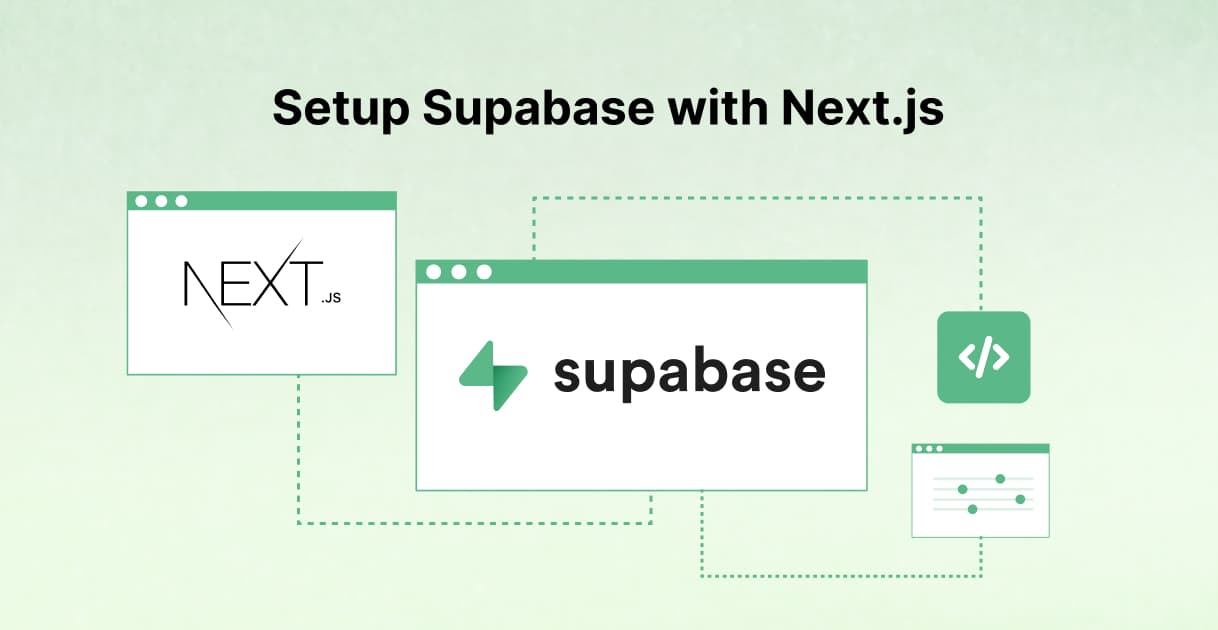
Most profile pages are either too basic or unnecessarily complex. Here’s a clean, scalable approach using Supabase and Next.js that actually feels good to build—and use.
If I design things well enough, my system will behave predictably.

Chapter 1 of The Phoenix Project throws us straight into the chaos of IT operations—where outages are routine, blame is inevitable, and the business is already falling behind. Through Bill Palmer’s stressful morning, we see a familiar reality: IT isn’t broken because of technology, but because of how organizations manage it. This opening chapter sets the stage for why DevOps isn’t optional—it’s survival.
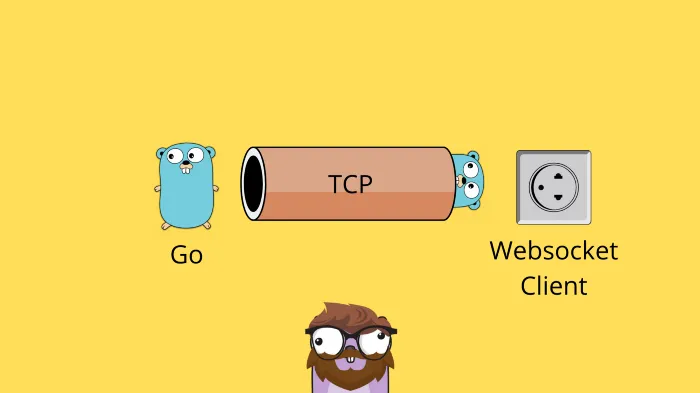
Most developers build features. I wanted to build systems. So instead of another CRUD app, I started building a real-time chat backend in Go—something simple on the surface, but brutal underneath.