
The Vercel breach isn’t just “another security incident.” It’s a reminder that modern dev workflows are fragile, trust-based systems. Here’s what really matters—and what you should fix today.

GitHub’s new PR dashboard aims to reduce chaos and improve focus—but does it actually make developers faster, or just reorganize the noise?
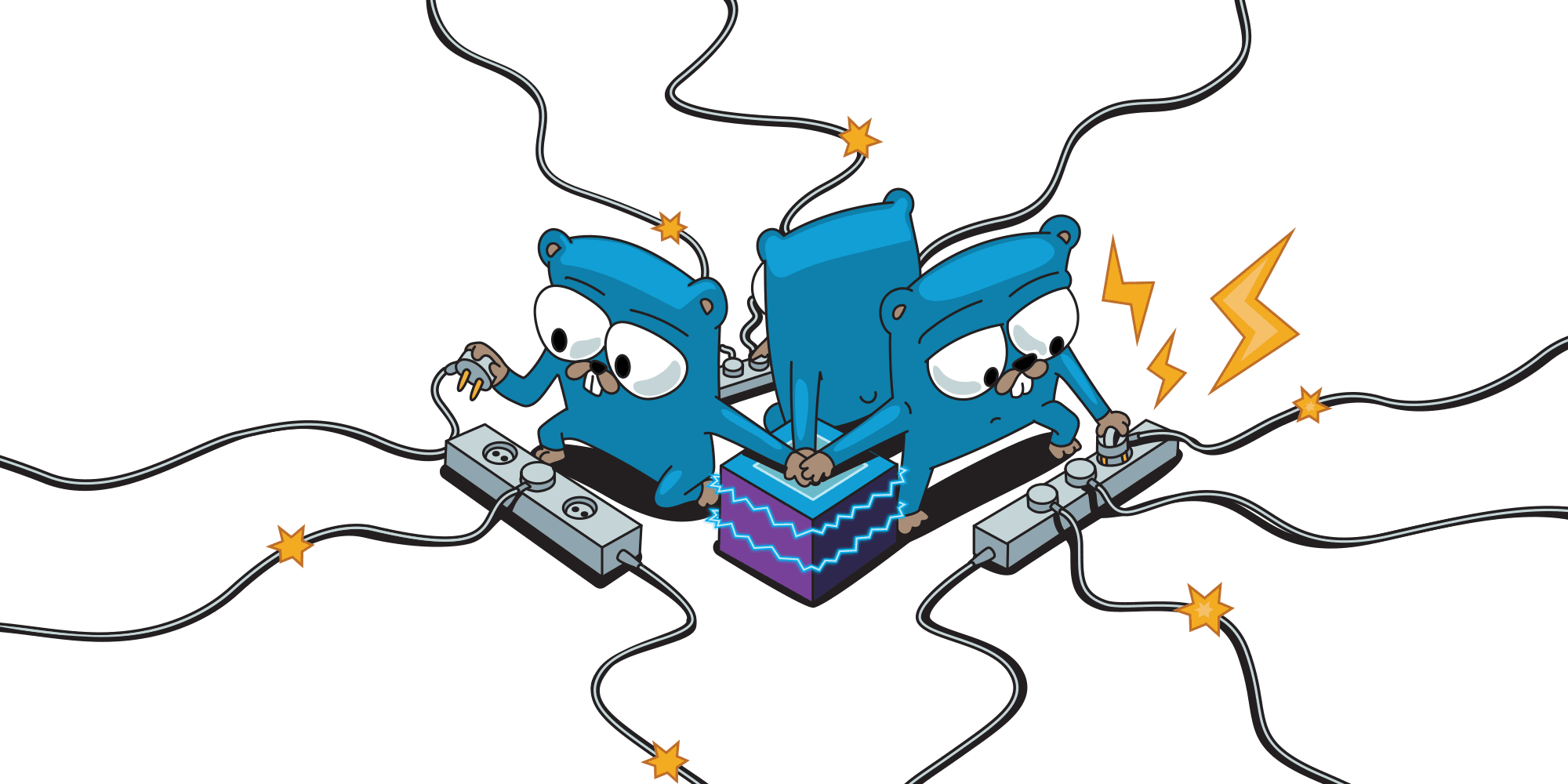
You don’t truly understand distributed systems until your app “works perfectly”… and then breaks the moment you scale it.
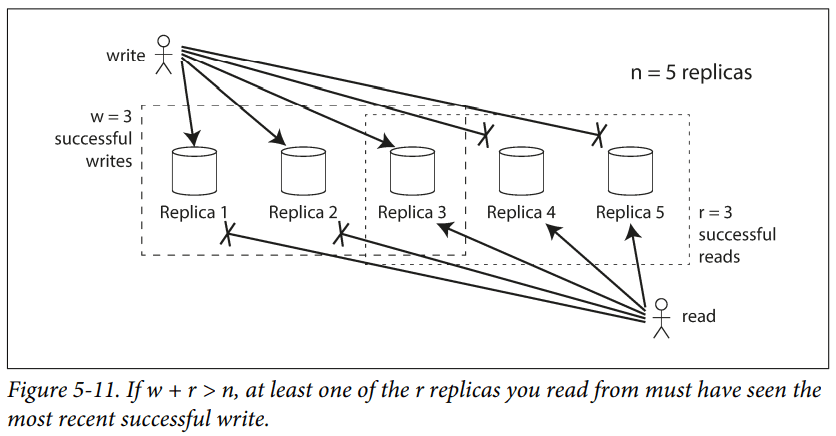
You don’t scale by upgrading your server forever. You scale by splitting your data across machines.
Distributed systems don’t fail loudly. They fail silently—with bad data.
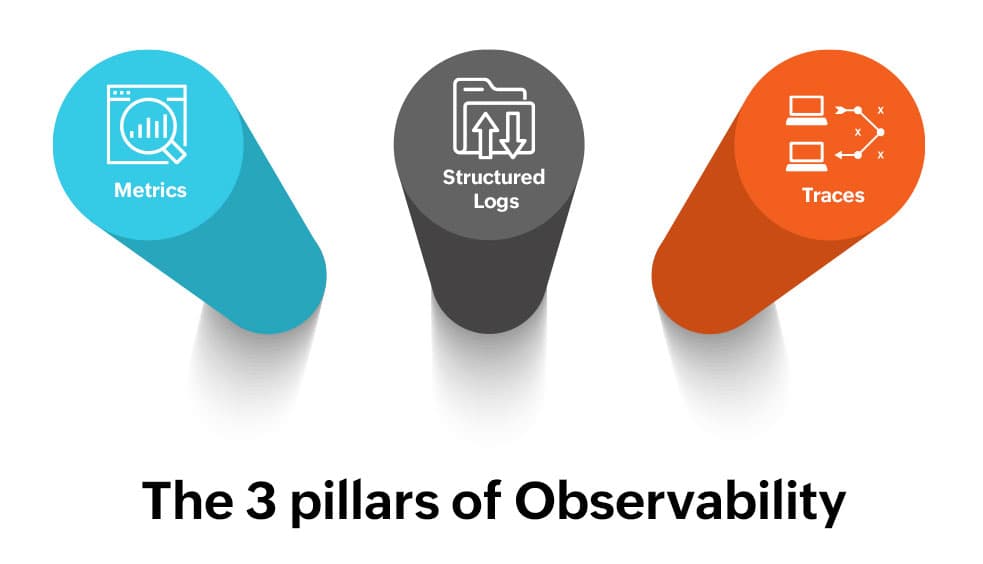
Modern software systems are more distributed and complex than ever, making traditional debugging techniques increasingly insufficient. Observability empowers software engineers to understand what's happening inside their applications through metrics, logs, traces, and other telemetry data—enabling faster troubleshooting, improved reliability, and better user experiences. This article explores the fundamentals of observability, how it differs from monitoring, and why it has become an essential skill for every modern software engineer.
🌍 The Internet Isn’t Flat Anymore: A Reaction to Supabase’s Regional Network Block Reality Check
Regional network blocks aren’t edge cases—they’re production realities. Supabase’s recent post highlights a growing blind spot in modern system design: assuming the internet is always reachable.
Chapter 2 of The Phoenix Project shows what happens when you inherit a broken system: endless emails, unclear priorities, and pressure from all sides. Bill’s promotion to VP of IT Operations reveals a harsh truth—leadership doesn’t fix chaos; it exposes it. This chapter highlights why managing work flow, not just doing work, is critical for survival.

GitHub Is Quietly Redefining AppSec with AI — And That Should Make You Rethink Your Workflow
GitHub’s latest move into AI-powered application security isn’t just another feature drop—it’s a shift toward proactive, developer-first security. And honestly, it might change how we write code every day.
There was a time when GitHub GitHub Copilot felt like magic: pay a flat fee, get autocomplete on steroids, ship faster, feel like a 10x dev on a good day. Well… that era is ending. And honestly? It was inevitable.
If I design things well enough, my system will behave predictably.

Designing Data-Intensive Applications Chapter 9 Consistency & Consensus: Getting Systems to Agree (Good Luck With That)
Distributed systems don’t just store data—they argue about what’s true. Chapter 9 breaks down how systems reach agreement (or fail trying), why consistency is hard, and how consensus algorithms keep everything from falling apart.
“The limits of my language mean the limits of my world.” — Ludwig Wittgenstein
No Mailchimp. No overengineering. Just a clean, event-driven newsletter system that works.
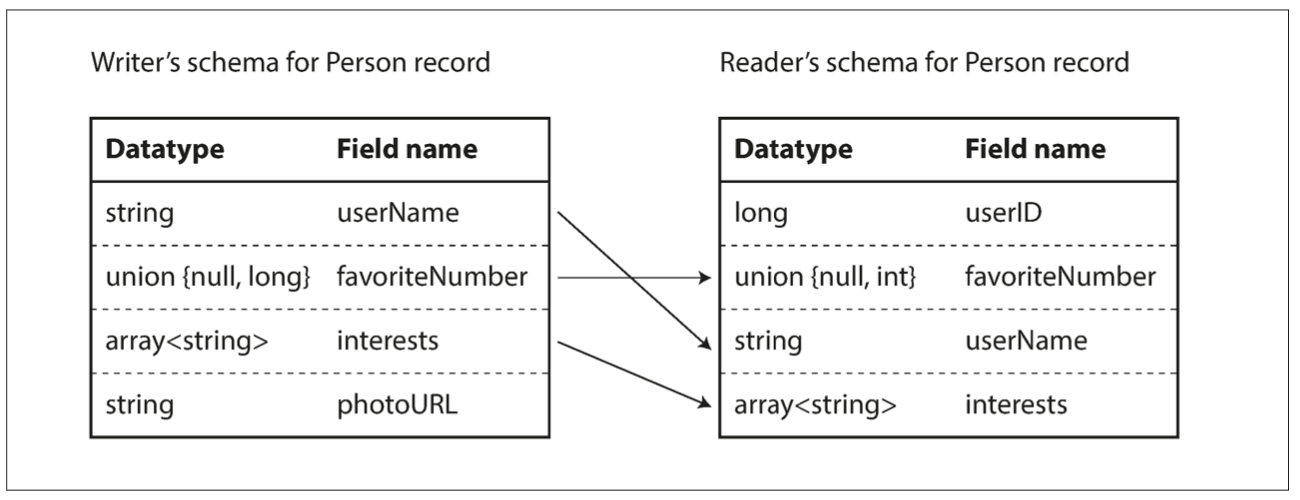
Your system doesn’t break when you deploy it. It breaks when old data meets new code. That’s the uncomfortable reality of software: data outlives everything. You can rewrite your frontend. You can refactor your backend. You can even replace your database. But your data? It sticks around quietly waiting to expose every bad decision you made six months ago.

Chapter 1 of The Phoenix Project throws us straight into the chaos of IT operations—where outages are routine, blame is inevitable, and the business is already falling behind. Through Bill Palmer’s stressful morning, we see a familiar reality: IT isn’t broken because of technology, but because of how organizations manage it. This opening chapter sets the stage for why DevOps isn’t optional—it’s survival.
Choosing the right API paradigm can make or break your system. Here’s a deep dive into REST, RPC, GraphQL, and event-driven APIs—and how to pick the right one.
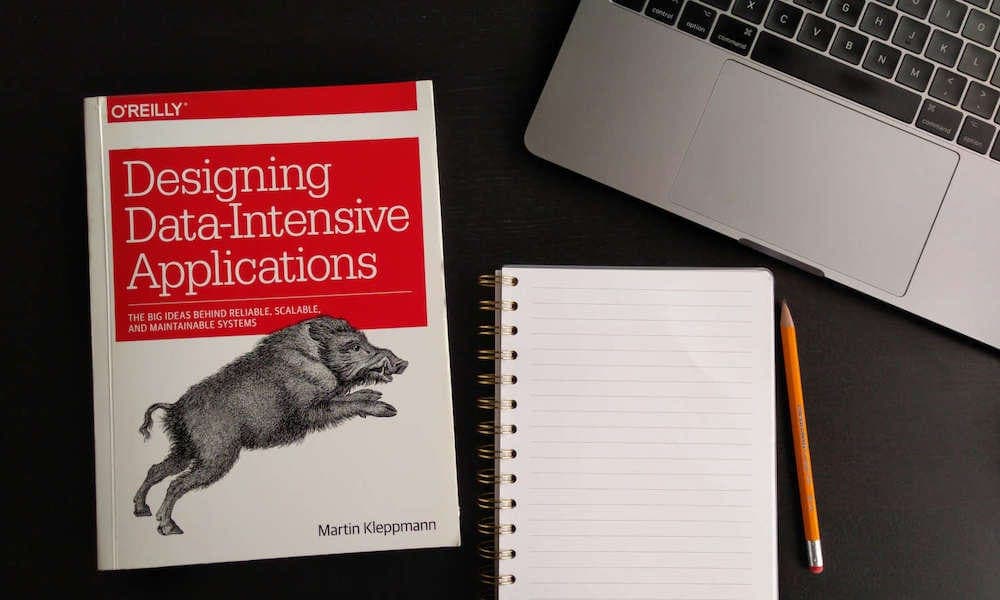
Your beautiful data model eventually turns into… bytes on disk.
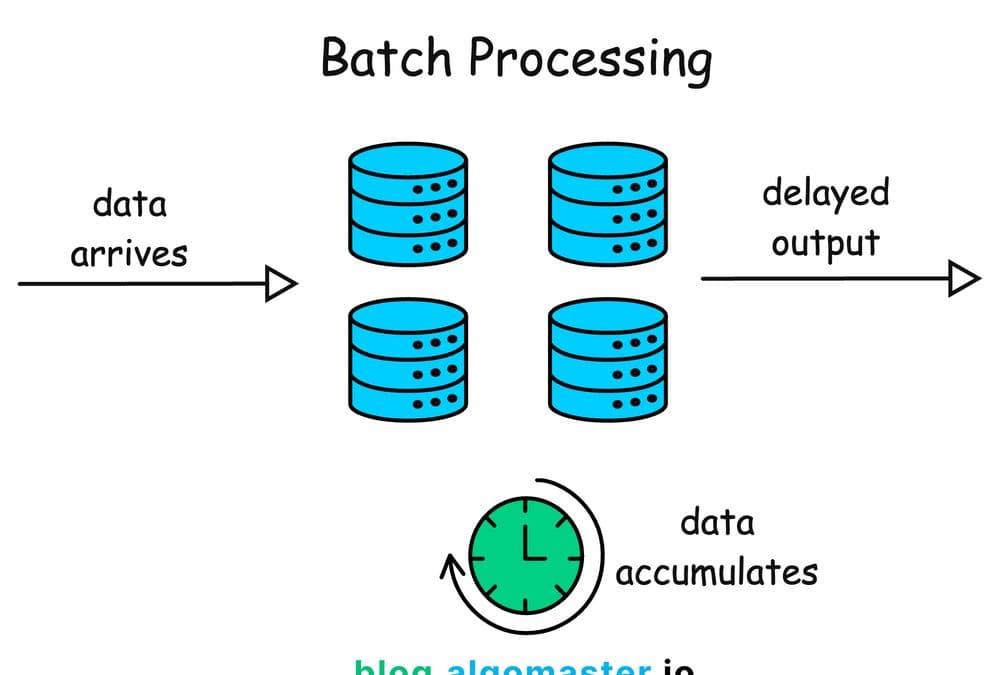
Batch processing doesn’t sound sexy.
“The Internet was done so well that most people think of it as a natural resource… rather than something that was man-made.” — Alan Kay
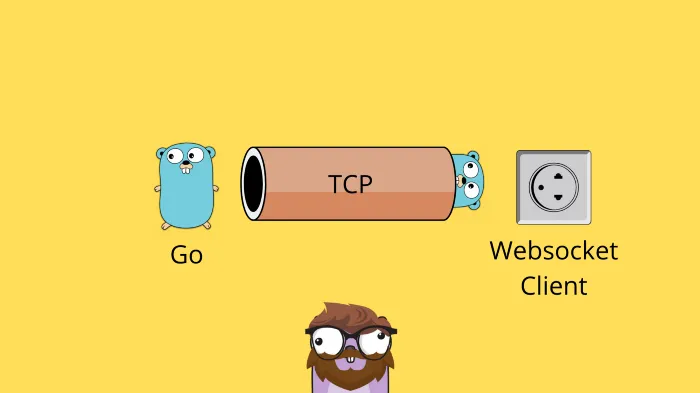
Most developers build features. I wanted to build systems. So instead of another CRUD app, I started building a real-time chat backend in Go—something simple on the surface, but brutal underneath.