
Okay… is this actually useful, or just another ‘AI-powered’ sticker slapped on everything?

GitHub’s new PR dashboard aims to reduce chaos and improve focus—but does it actually make developers faster, or just reorganize the noise?
You don’t become a tech lead overnight. One day you’re coding, the next day you’re making decisions, aligning people, and carrying responsibility no one formally gave you. This article breaks down the messy, human side of that transition—and why it’s harder than it looks.
Mentoring is one of the highest-leverage things you can do in your career.

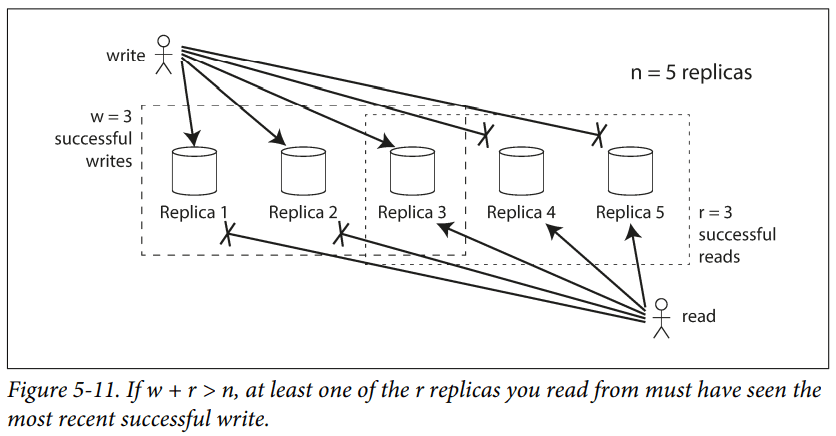
Designing Data-Intensive Applications Chapter 9 Consistency & Consensus: Getting Systems to Agree (Good Luck With That)
Distributed systems don’t just store data—they argue about what’s true. Chapter 9 breaks down how systems reach agreement (or fail trying), why consistency is hard, and how consensus algorithms keep everything from falling apart.
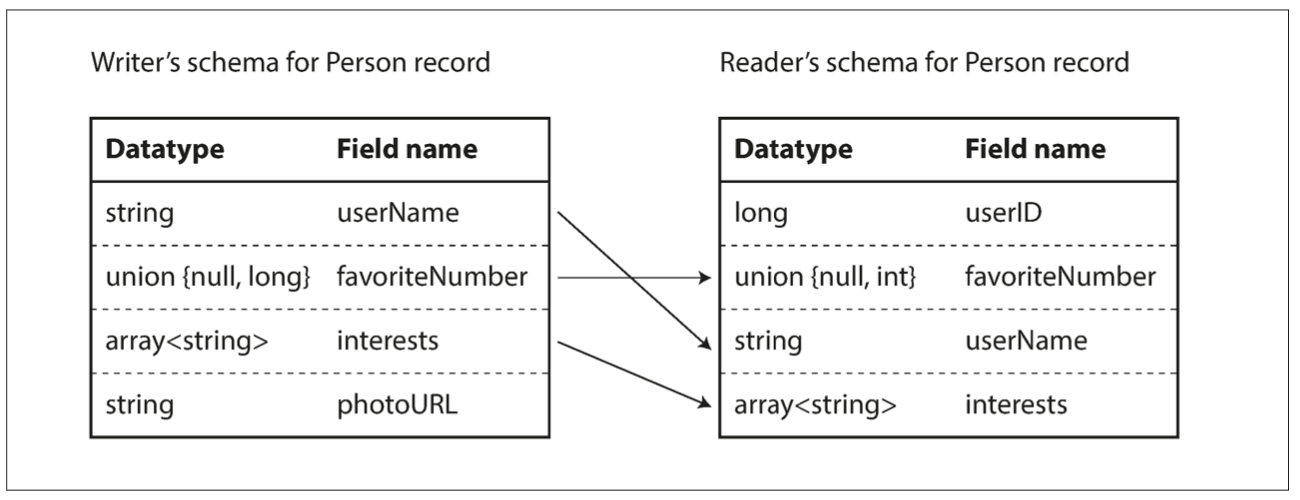
Your system doesn’t break when you deploy it. It breaks when old data meets new code. That’s the uncomfortable reality of software: data outlives everything. You can rewrite your frontend. You can refactor your backend. You can even replace your database. But your data? It sticks around quietly waiting to expose every bad decision you made six months ago.
Choosing the right API paradigm can make or break your system. Here’s a deep dive into REST, RPC, GraphQL, and event-driven APIs—and how to pick the right one.

Your beautiful data model eventually turns into… bytes on disk.
“The Internet was done so well that most people think of it as a natural resource… rather than something that was man-made.” — Alan Kay
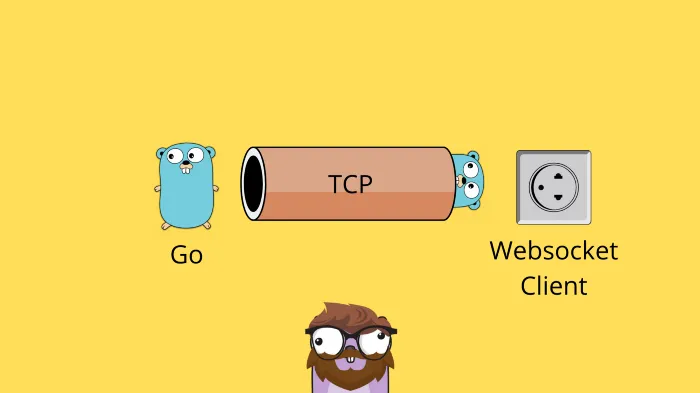
Most developers build features. I wanted to build systems. So instead of another CRUD app, I started building a real-time chat backend in Go—something simple on the surface, but brutal underneath.