

GitHub’s new PR dashboard aims to reduce chaos and improve focus—but does it actually make developers faster, or just reorganize the noise?
Okay… what did they sacrifice?
Distributed systems don’t fail loudly. They fail silently—with bad data.

🌍 The Internet Isn’t Flat Anymore: A Reaction to Supabase’s Regional Network Block Reality Check
Regional network blocks aren’t edge cases—they’re production realities. Supabase’s recent post highlights a growing blind spot in modern system design: assuming the internet is always reachable.
Explore five essential frontend patterns that make applications feel faster and more responsive: request deduplication, optimistic updates, streaming UI, stale while revalidate, and smart polling.
Chapter 2 of The Phoenix Project shows what happens when you inherit a broken system: endless emails, unclear priorities, and pressure from all sides. Bill’s promotion to VP of IT Operations reveals a harsh truth—leadership doesn’t fix chaos; it exposes it. This chapter highlights why managing work flow, not just doing work, is critical for survival.
If I design things well enough, my system will behave predictably.

Designing Data-Intensive Applications Chapter 9 Consistency & Consensus: Getting Systems to Agree (Good Luck With That)
Distributed systems don’t just store data—they argue about what’s true. Chapter 9 breaks down how systems reach agreement (or fail trying), why consistency is hard, and how consensus algorithms keep everything from falling apart.
No Mailchimp. No overengineering. Just a clean, event-driven newsletter system that works.
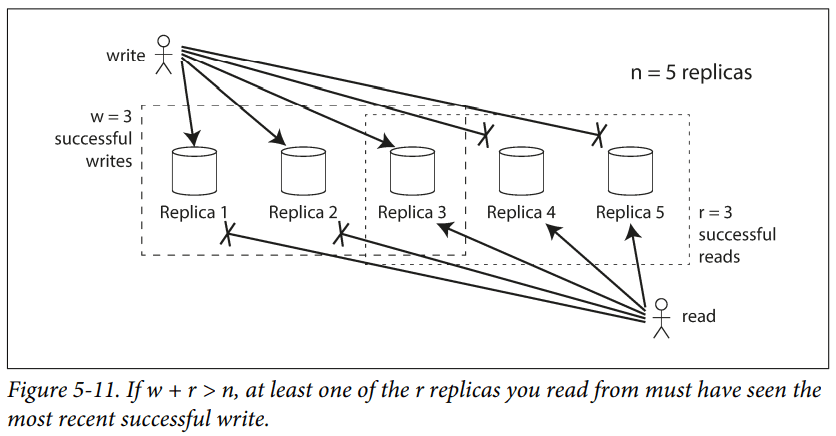
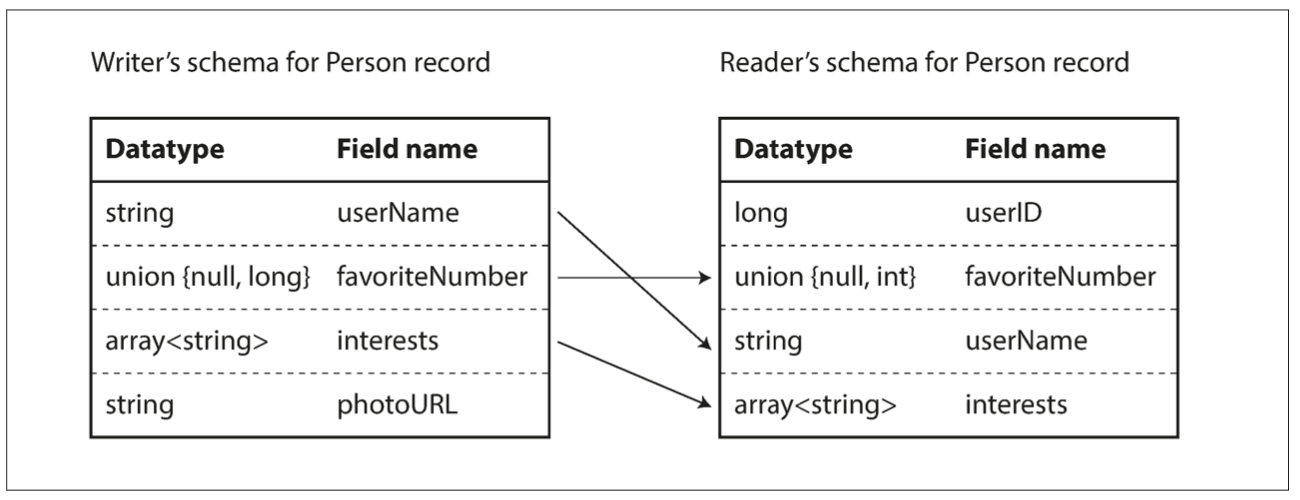
Your system doesn’t break when you deploy it. It breaks when old data meets new code. That’s the uncomfortable reality of software: data outlives everything. You can rewrite your frontend. You can refactor your backend. You can even replace your database. But your data? It sticks around quietly waiting to expose every bad decision you made six months ago.
Choosing the right API paradigm can make or break your system. Here’s a deep dive into REST, RPC, GraphQL, and event-driven APIs—and how to pick the right one.

Your beautiful data model eventually turns into… bytes on disk.
“The Internet was done so well that most people think of it as a natural resource… rather than something that was man-made.” — Alan Kay