
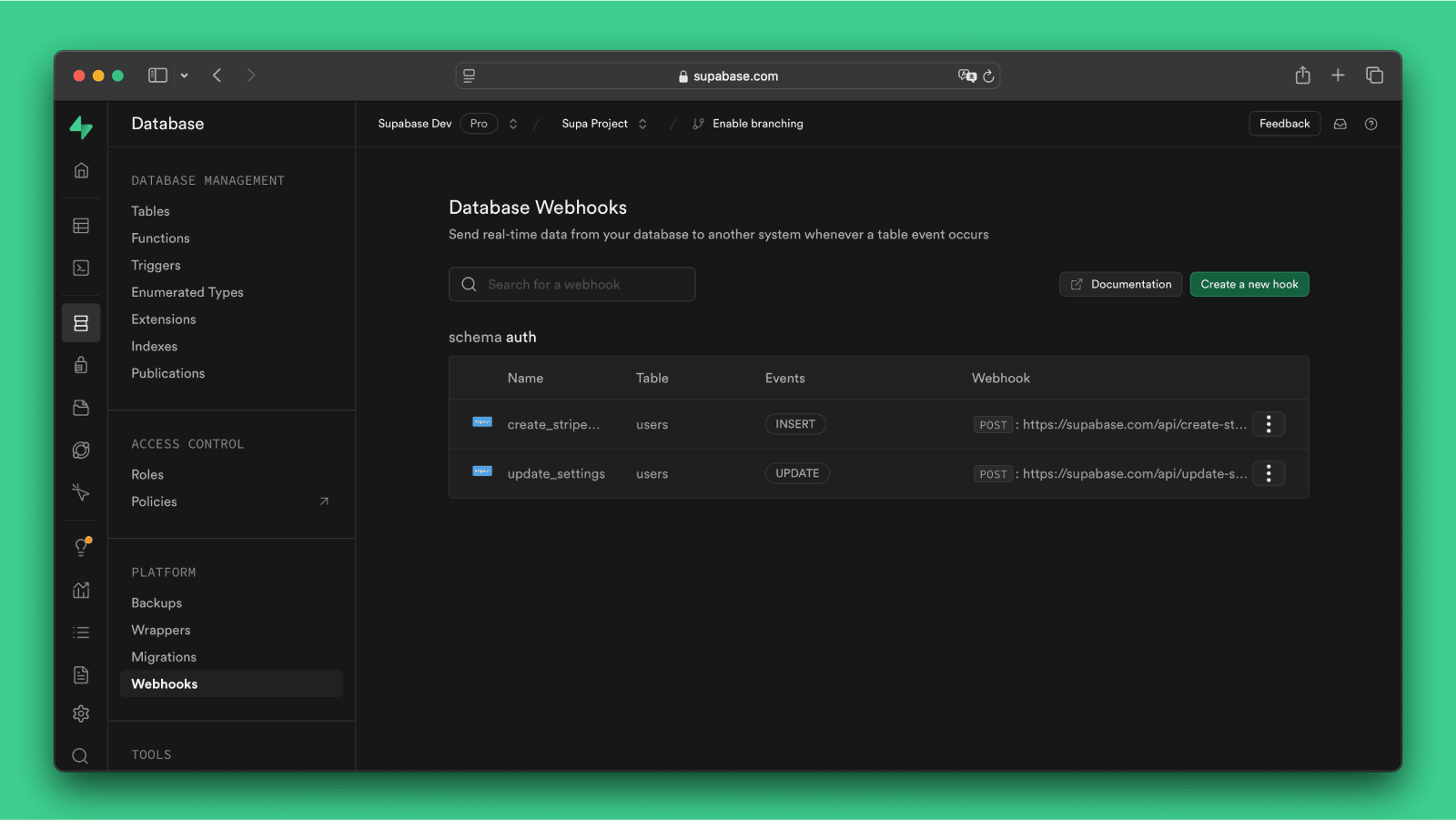
Event-Driven User Notifications with Supabase, Webhooks, and Next.js (No Edge Functions Needed)
Stop sending notifications for users who never confirm their email. This guide walks through a clean, event-driven architecture using Supabase, Postgres triggers, and Next.js webhooks—no edge functions required.
You don’t scale by upgrading your server forever. You scale by splitting your data across machines.
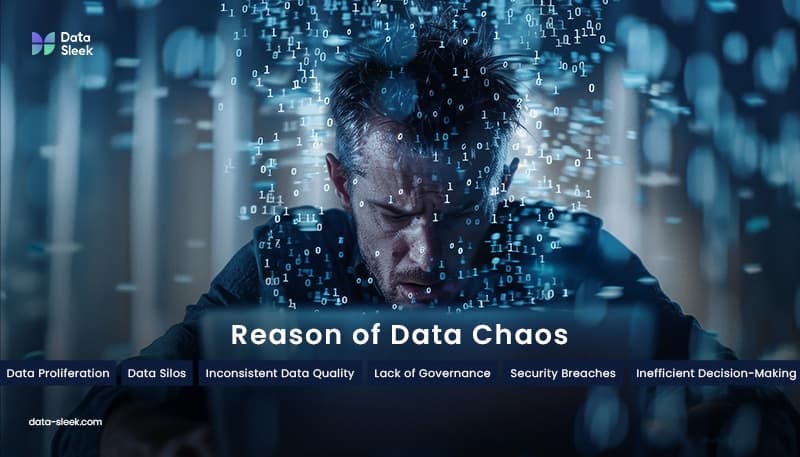
Distributed systems don’t fail loudly. They fail silently—with bad data.
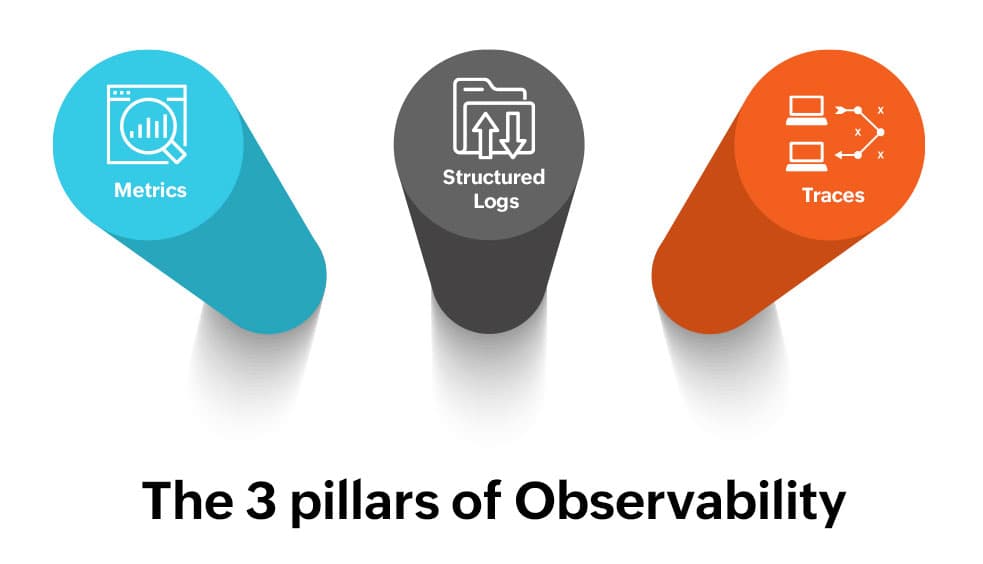
Modern software systems are more distributed and complex than ever, making traditional debugging techniques increasingly insufficient. Observability empowers software engineers to understand what's happening inside their applications through metrics, logs, traces, and other telemetry data—enabling faster troubleshooting, improved reliability, and better user experiences. This article explores the fundamentals of observability, how it differs from monitoring, and why it has become an essential skill for every modern software engineer.
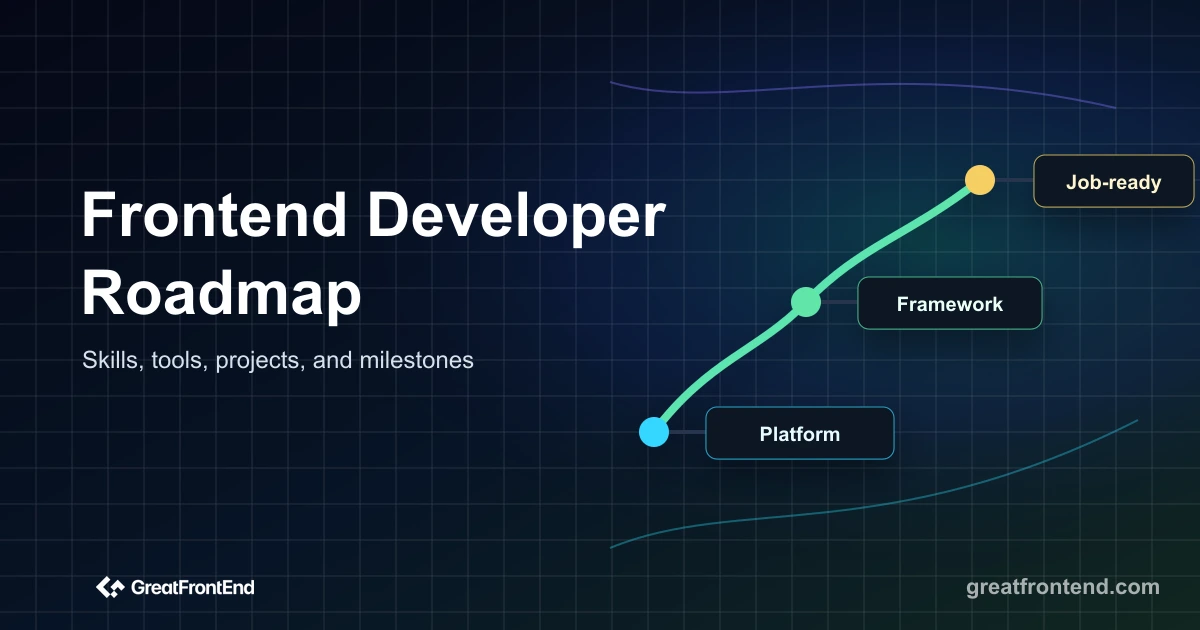
The days of being "just a frontend developer" are slowly fading. Modern companies, especially startups and remote-first teams, are looking for engineers who can own features from the browser to the database. That doesn't mean every frontend engineer needs to become a backend architect. It means being capable enough to build complete products independently. The good news? If you're already experienced in React, Next.js, or modern frontend development, you're much closer than you think.
🌍 The Internet Isn’t Flat Anymore: A Reaction to Supabase’s Regional Network Block Reality Check
Regional network blocks aren’t edge cases—they’re production realities. Supabase’s recent post highlights a growing blind spot in modern system design: assuming the internet is always reachable.
If I design things well enough, my system will behave predictably.

Designing Data-Intensive Applications Chapter 9 Consistency & Consensus: Getting Systems to Agree (Good Luck With That)
Distributed systems don’t just store data—they argue about what’s true. Chapter 9 breaks down how systems reach agreement (or fail trying), why consistency is hard, and how consensus algorithms keep everything from falling apart.
“The limits of my language mean the limits of my world.” — Ludwig Wittgenstein
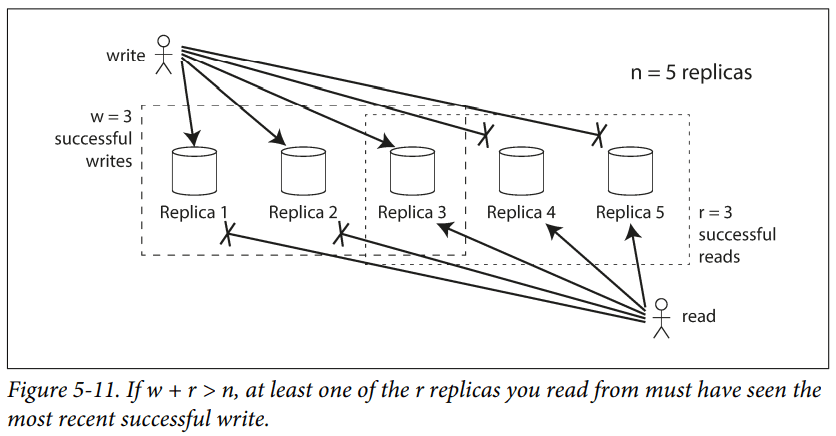
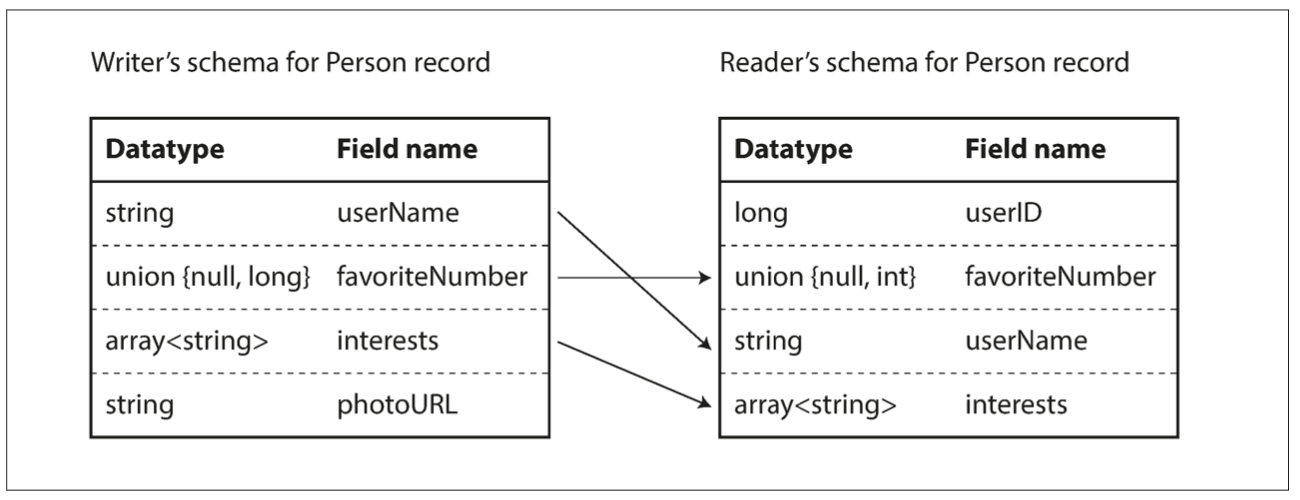
Your system doesn’t break when you deploy it. It breaks when old data meets new code. That’s the uncomfortable reality of software: data outlives everything. You can rewrite your frontend. You can refactor your backend. You can even replace your database. But your data? It sticks around quietly waiting to expose every bad decision you made six months ago.
Choosing the right API paradigm can make or break your system. Here’s a deep dive into REST, RPC, GraphQL, and event-driven APIs—and how to pick the right one.
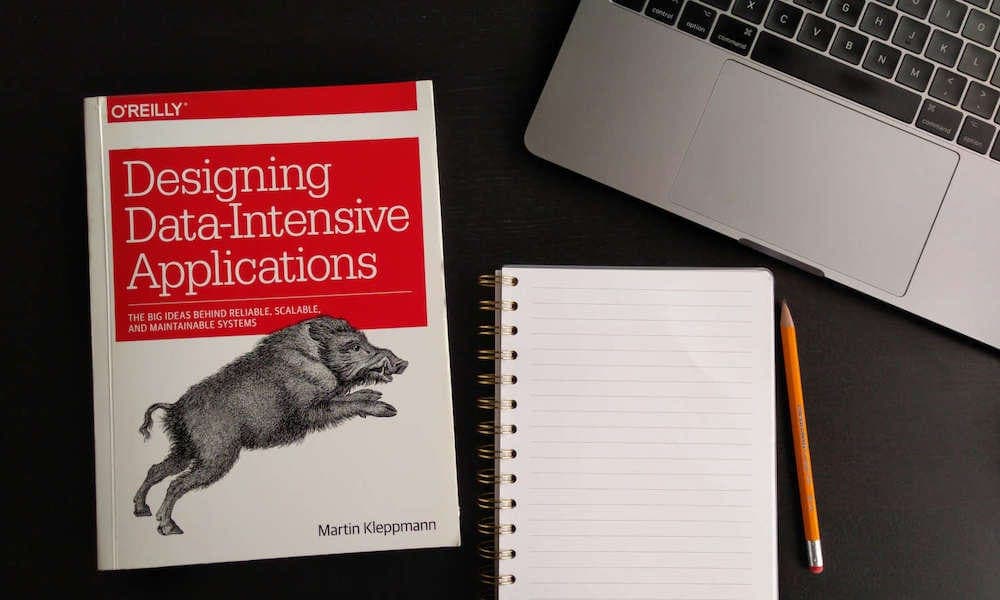
Your beautiful data model eventually turns into… bytes on disk.
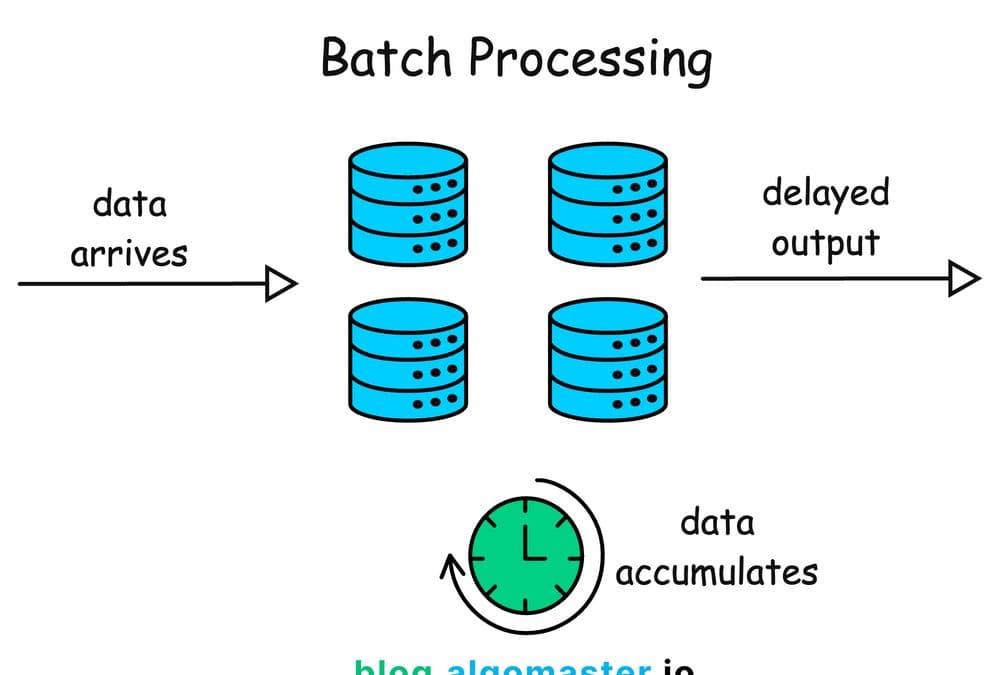
Batch processing doesn’t sound sexy.
“The Internet was done so well that most people think of it as a natural resource… rather than something that was man-made.” — Alan Kay
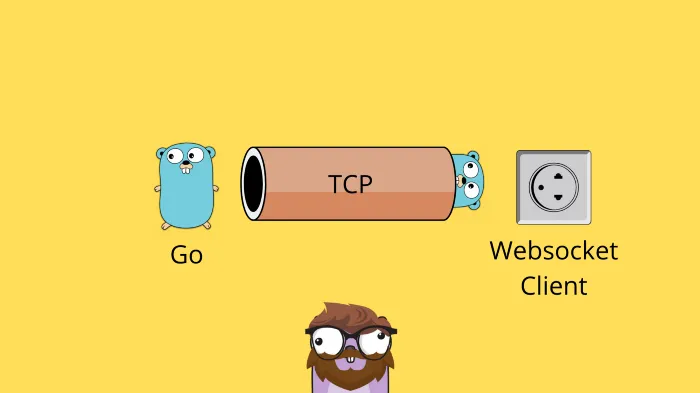
Most developers build features. I wanted to build systems. So instead of another CRUD app, I started building a real-time chat backend in Go—something simple on the surface, but brutal underneath.