
Okay… what did they sacrifice?
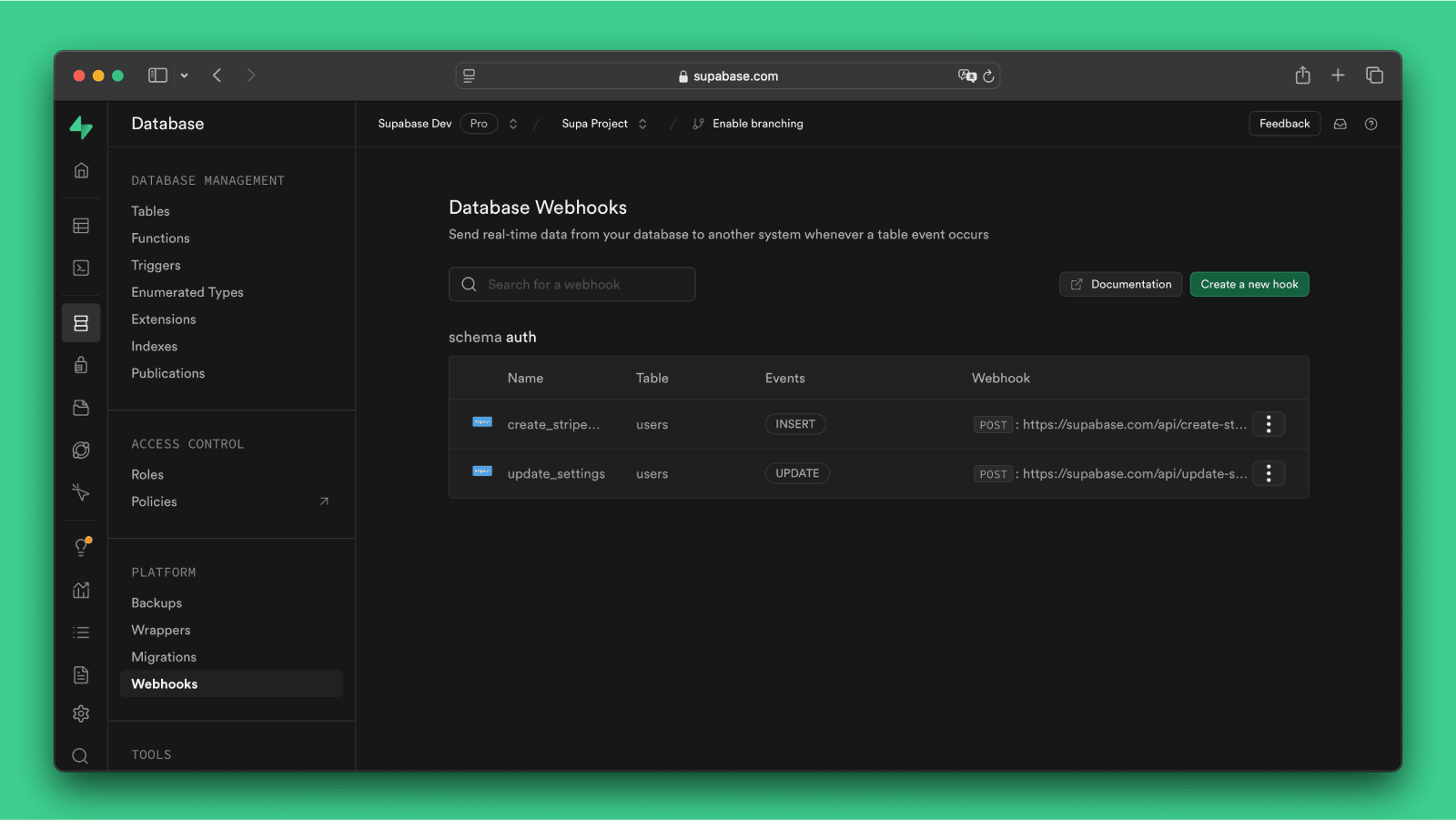
Event-Driven User Notifications with Supabase, Webhooks, and Next.js (No Edge Functions Needed)
Stop sending notifications for users who never confirm their email. This guide walks through a clean, event-driven architecture using Supabase, Postgres triggers, and Next.js webhooks—no edge functions required.
You don’t scale by upgrading your server forever. You scale by splitting your data across machines.
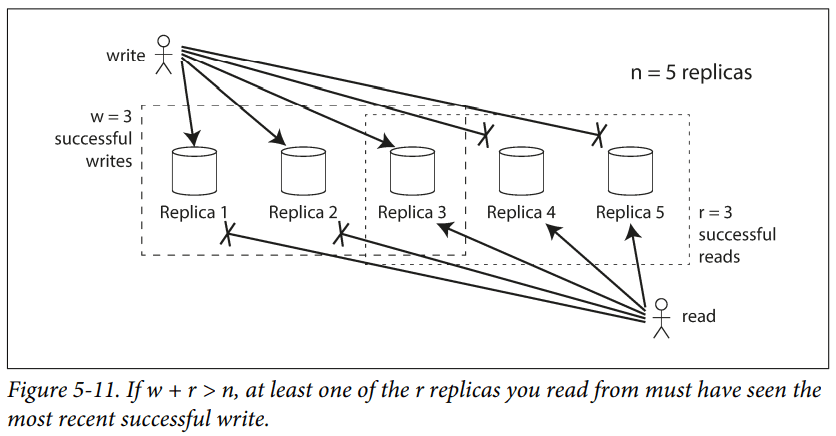
Distributed systems don’t fail loudly. They fail silently—with bad data.
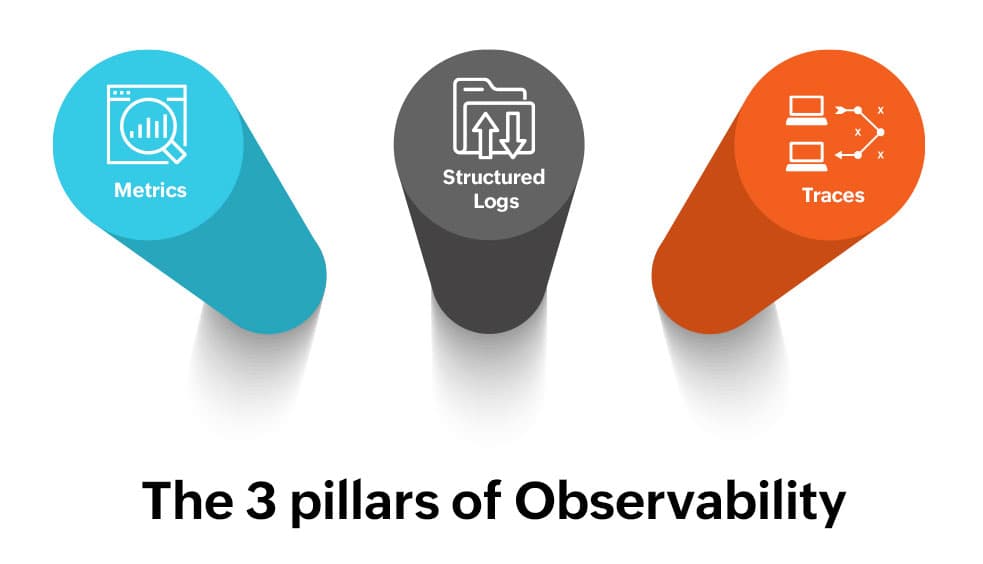
Modern software systems are more distributed and complex than ever, making traditional debugging techniques increasingly insufficient. Observability empowers software engineers to understand what's happening inside their applications through metrics, logs, traces, and other telemetry data—enabling faster troubleshooting, improved reliability, and better user experiences. This article explores the fundamentals of observability, how it differs from monitoring, and why it has become an essential skill for every modern software engineer.
🌍 The Internet Isn’t Flat Anymore: A Reaction to Supabase’s Regional Network Block Reality Check
Regional network blocks aren’t edge cases—they’re production realities. Supabase’s recent post highlights a growing blind spot in modern system design: assuming the internet is always reachable.
Chapter 2 of The Phoenix Project shows what happens when you inherit a broken system: endless emails, unclear priorities, and pressure from all sides. Bill’s promotion to VP of IT Operations reveals a harsh truth—leadership doesn’t fix chaos; it exposes it. This chapter highlights why managing work flow, not just doing work, is critical for survival.
Most profile pages are either too basic or unnecessarily complex. Here’s a clean, scalable approach using Supabase and Next.js that actually feels good to build—and use.
If I design things well enough, my system will behave predictably.
“The limits of my language mean the limits of my world.” — Ludwig Wittgenstein
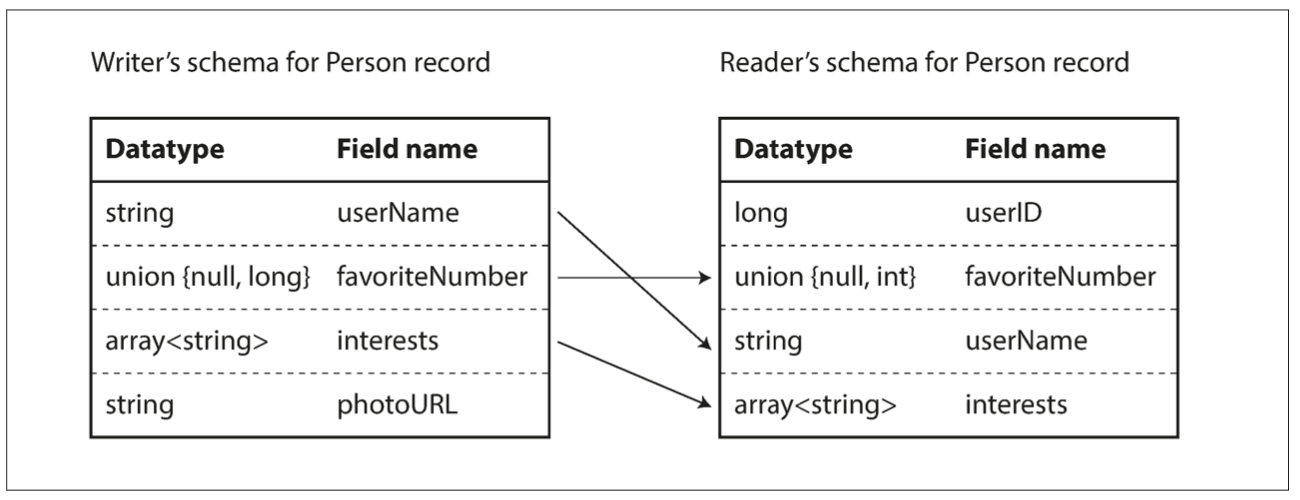
Your system doesn’t break when you deploy it. It breaks when old data meets new code. That’s the uncomfortable reality of software: data outlives everything. You can rewrite your frontend. You can refactor your backend. You can even replace your database. But your data? It sticks around quietly waiting to expose every bad decision you made six months ago.

Chapter 1 of The Phoenix Project throws us straight into the chaos of IT operations—where outages are routine, blame is inevitable, and the business is already falling behind. Through Bill Palmer’s stressful morning, we see a familiar reality: IT isn’t broken because of technology, but because of how organizations manage it. This opening chapter sets the stage for why DevOps isn’t optional—it’s survival.

Your beautiful data model eventually turns into… bytes on disk.
“The Internet was done so well that most people think of it as a natural resource… rather than something that was man-made.” — Alan Kay