
The Practical Engineer
All Articles
Practical knowledge for engineers who ship. Deep dives, guides, and architecture insights.
Modern Authentication moves security beyond usernames and passwords by using trusted identity providers, scoped tokens, multifactor authentication, Conditional Access, and passkeys. Learn how Microsoft Entra ID helps organizations protect users, applications, APIs, and cloud resources against modern cyber threats.
Explore five essential frontend patterns that make applications feel faster and more responsive: request deduplication, optimistic updates, streaming UI, stale while revalidate, and smart polling.
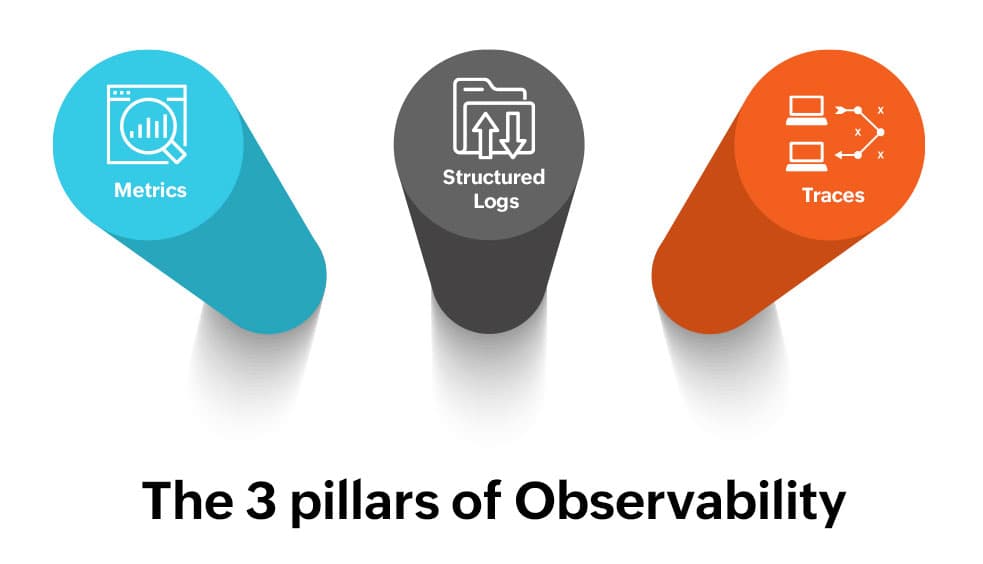
Modern software systems are more distributed and complex than ever, making traditional debugging techniques increasingly insufficient. Observability empowers software engineers to understand what's happening inside their applications through metrics, logs, traces, and other telemetry data—enabling faster troubleshooting, improved reliability, and better user experiences. This article explores the fundamentals of observability, how it differs from monitoring, and why it has become an essential skill for every modern software engineer.
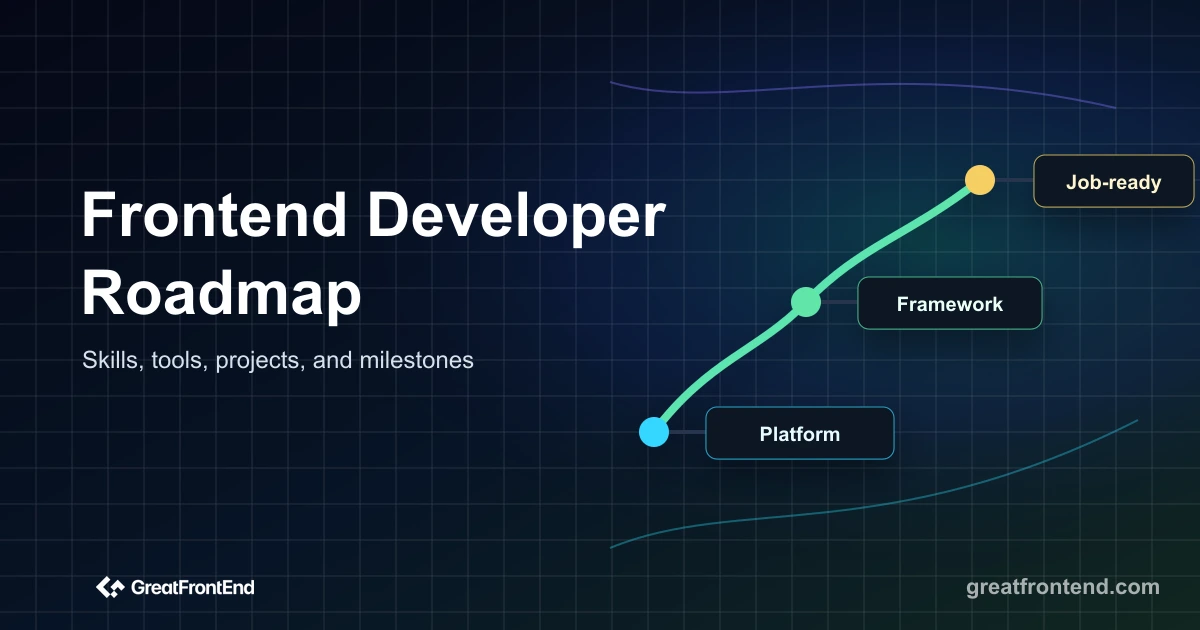
The days of being "just a frontend developer" are slowly fading. Modern companies, especially startups and remote-first teams, are looking for engineers who can own features from the browser to the database. That doesn't mean every frontend engineer needs to become a backend architect. It means being capable enough to build complete products independently. The good news? If you're already experienced in React, Next.js, or modern frontend development, you're much closer than you think.
VS Code 1.118 isn’t just another editor update. It’s a glimpse into the future of AI-native software development, where developers manage intelligent agents instead of just writing code manually. (code.visualstudio.com)
There was a time when GitHub GitHub Copilot felt like magic: pay a flat fee, get autocomplete on steroids, ship faster, feel like a 10x dev on a good day. Well… that era is ending. And honestly? It was inevitable.
You don’t truly understand distributed systems until your app “works perfectly”… and then breaks the moment you scale it.
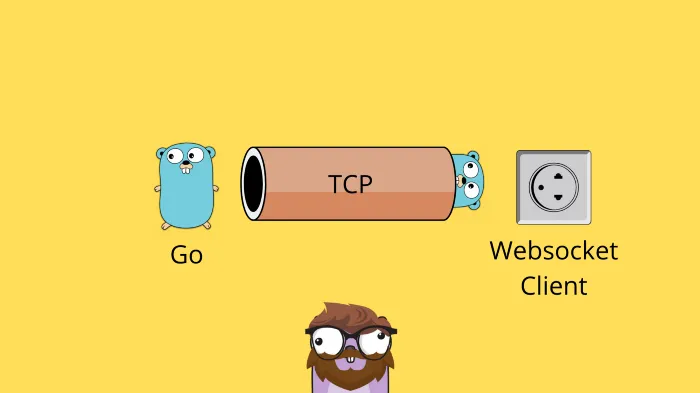
Most developers build features. I wanted to build systems. So instead of another CRUD app, I started building a real-time chat backend in Go—something simple on the surface, but brutal underneath.
No Mailchimp. No overengineering. Just a clean, event-driven newsletter system that works.
The Vercel breach isn’t just “another security incident.” It’s a reminder that modern dev workflows are fragile, trust-based systems. Here’s what really matters—and what you should fix today.
Claude Opus 4.7 isn’t just another incremental AI release—it’s a signal. Anthropic is quietly sharpening its edge in reasoning, safety, and developer usability. Here’s what stands out (and what doesn’t).